

The Windowsill Harvest: Growing Herbs Indoors All Year Round
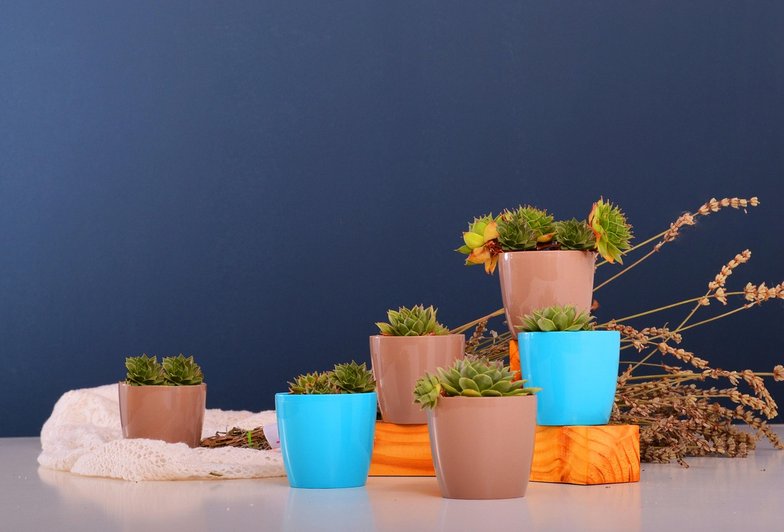
There is something deeply satisfying about snipping a few leaves of basil into a pot of simmering tomatoes while snow piles up against the window. Indoor herb gardening is one of the simplest ways to keep your hands in the soil during the off-season, and it costs far less than buying those sad little plastic packets at the grocery store. The trick is understanding what herbs actually want, because a few of them are divas and a few are practically indestructible.
Light is the first thing to sort out. Most culinary herbs come from Mediterranean climates where they bake in full sun all day. A south-facing windowsill is ideal. If you do not have one, a simple grow light will do the job. You do not need anything fancy. A basic LED shop light hung a few inches above the plants works beautifully, and it costs very little to run. Aim for twelve to fourteen hours of light per day, and rotate your pots every few days so the plants grow evenly rather than leaning toward the glass.
The Easy Winners and the Fussy Ones
Some herbs are almost foolproof indoors. Mint is the classic example, though it is a thug in the garden and will happily take over any pot it shares. Give it its own container and keep it well watered. Chives are another reliable performer, and their purple blossoms are pretty enough to earn a spot on the table. Thyme, oregano, and sage all appreciate dry air and gritty soil, which makes them well suited to the average heated home.
Basil is the herb most people want, and it is also the one most likely to disappoint. It hates cold drafts, resents soggy roots, and sulks if it does not get enough light. Start it from seed in late winter, keep it warm, and pinch the growing tips often to encourage bushy growth. If a stem starts to flower, snip the bud off immediately, because once basil blooms it stops producing leaves.
Rosemary and parsley are the two that trip up most beginners. Rosemary wants sharp drainage and cool temperatures, which is the opposite of what most indoor spaces offer. A terracotta pot, a sandy soil mix, and a spot away from radiators will help. Parsley, meanwhile, is a biennial, meaning it grows leaves the first year and flowers the second. If your parsley suddenly bolts and turns bitter, it is not your fault. It is just following its natural calendar. Start a new plant each year and you will always have a supply.
Watering, Feeding, and the Art of Restraint
Overwatering kills more indoor herbs than anything else. The soil should dry out slightly between waterings, especially for thyme, rosemary, and sage. Stick your finger into the top inch of soil. If it feels damp, wait another day. Use pots with drainage holes, and never let them sit in a saucer of standing water. If you notice yellowing leaves and a sour smell, you are almost certainly watering too much.
Feeding is a balancing act. Herbs grown for leaves want a little nitrogen, but too much produces soft, flavorless growth. A diluted liquid fertilizer every three or four weeks during the growing season is plenty. In the darker months, back off entirely, because the plants are not using much energy.
Harvest often. Regular snipping keeps herbs compact and productive, and it is the whole point of growing them in the first place. A windowsill garden is not a decoration. It is a pantry, and the more you use it, the better it works.
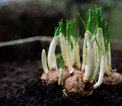
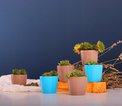

Keep fresh basil, mint, and thyme within arm's reach of the kitchen, even when the snow is falling outside.
Bees, butterflies, and hummingbirds need food from early spring to late autumn, and a little planning keeps the table set.
A handful of dried seeds is a small act of independence, and it costs almost nothing to learn.
Turn a patch of boring lawn into a buzzing meadow of color with these low-effort, high-reward tips.
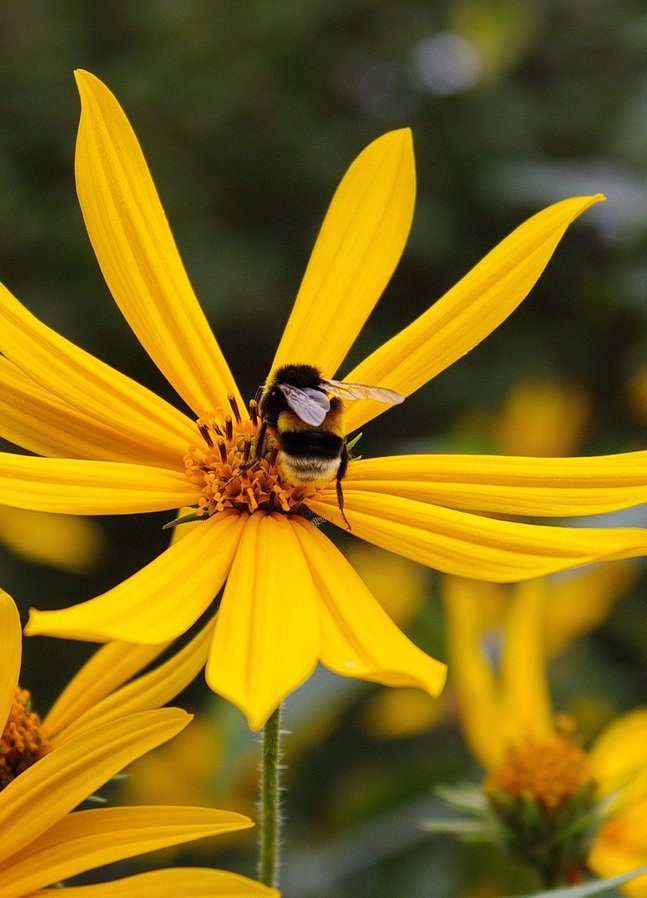
Keep bees, butterflies, and hummingbirds happy from spring to frost with these hardworking blooms.