

Autumn's Secret Garden: Planting Bulbs for a Spring Surprise
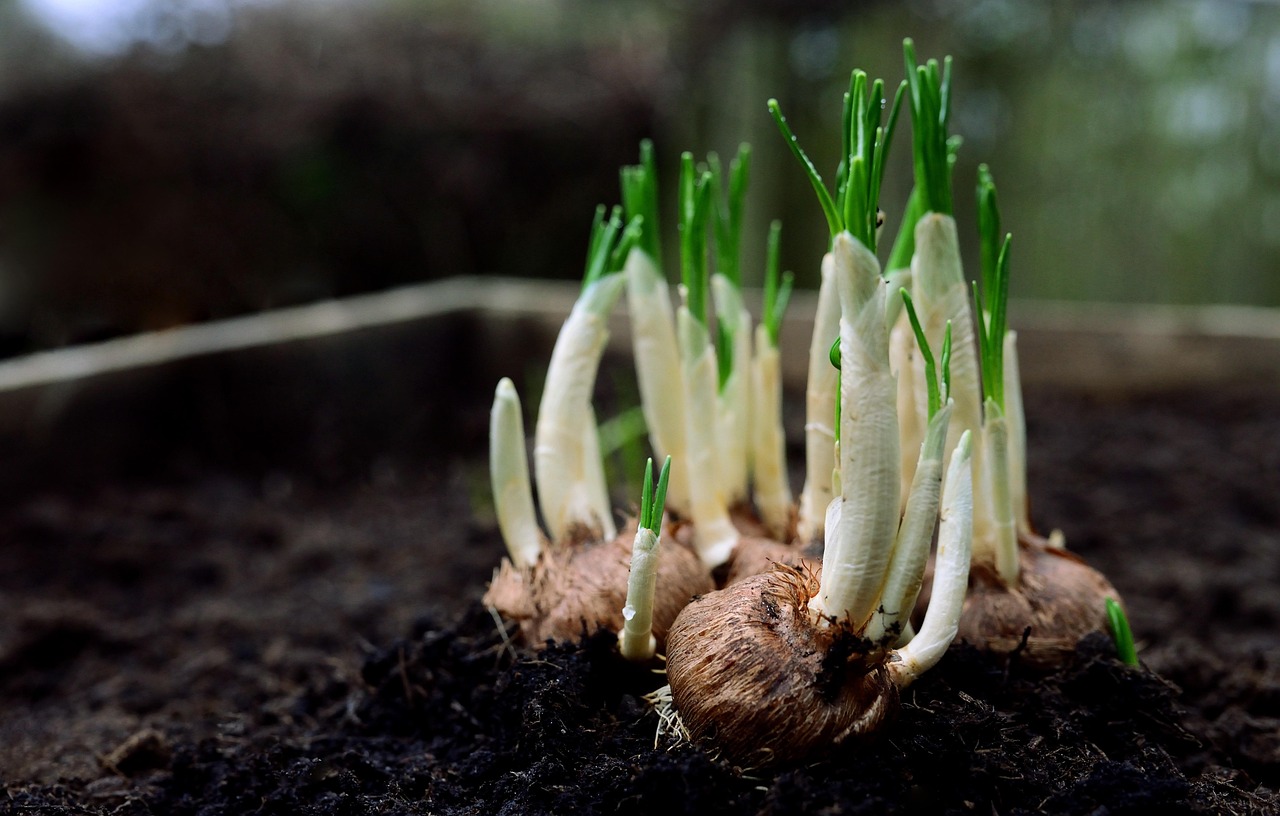
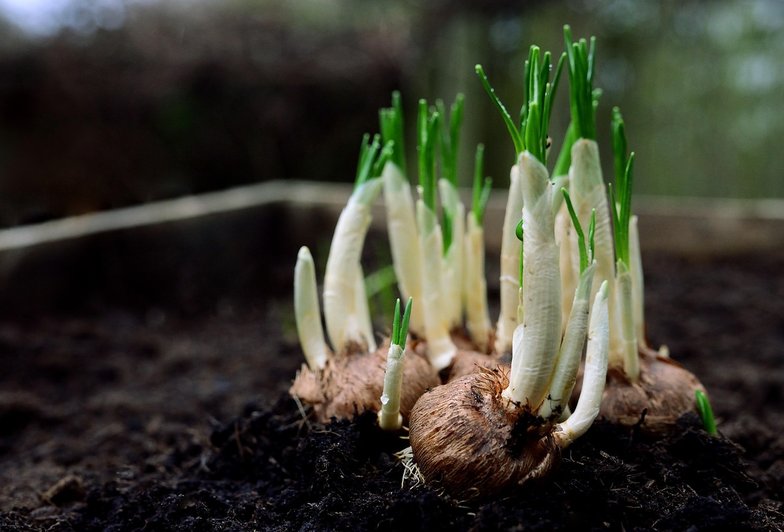
There is a particular kind of hope that comes with planting bulbs in autumn. You are tucking a promise into the cold earth, a secret that only you and the soil know. For months, there is nothing to see but bare ground. Then, just when winter has worn out its welcome, the first green tips push through the frost, and you remember: you did this. You planted the future.
Fall is the only time to plant spring-blooming bulbs like tulips, daffodils, crocuses, and hyacinths. They need a period of cold dormancy to trigger growth, which is why you cannot simply pop them in the ground in April and expect a show. The window for planting is roughly from the time the soil cools in early autumn until it freezes solid. In most regions, that means October and November.
Choosing and Arranging Your Bulbs
When buying bulbs, look for firm, plump specimens that feel heavy for their size. Avoid anything soft, moldy, or sprouting. Bigger bulbs generally produce bigger flowers, so buy the best you can afford. Daffodils and species tulips are the most reliable for beginners, as they naturalize and return year after year. Hybrid tulips are stunning but often fade after a season or two, so treat them as annuals if you want a guaranteed show.
Design-wise, think in drifts rather than straight lines. Bulbs look best when scattered in irregular clumps, as if a friendly giant dropped a handful of pearls. Dig a hole three times as deep as the bulb is tall, place the bulbs pointed side up, and space them a few inches apart. For a fuller look, you can layer different types in the same hole: early crocuses on top, mid-season daffodils in the middle, and late tulips at the bottom. This "lasagna planting" gives you months of bloom from a single patch of ground.
Protecting Your Investment
Squirrels and other critters love to dig up bulbs, especially tulips. To deter them, plant deeply, water well after planting, and consider laying a sheet of chicken wire just below the soil surface. You can also interplant bulbs with daffodils, which are toxic to most animals, or with strong-smelling plants like alliums. A layer of mulch helps insulate the soil and hide the disturbed ground.
After planting, mark your beds with discreet labels or stakes so you do not accidentally dig them up later. Then, do the hardest thing a gardener can do: wait. Winter will pass. The days will lengthen. And one morning, when you least expect it, the first crocus will open its petals to the sun. That is the magic of fall planting. You bury a little hope, and spring hands it back to you in full color.





The best spring gardens are planted in fall. Here is how to bury a little magic before the ground freezes.
Turn your backyard into an evening sanctuary with flowers that open after dusk and foliage that catches the moonlight.
Shrink your lawn one square at a time and watch a patch of ordinary grass become a buzzing, blooming haven.
Keep fresh basil, mint, and thyme within arm's reach of the kitchen, even when the snow is falling outside.
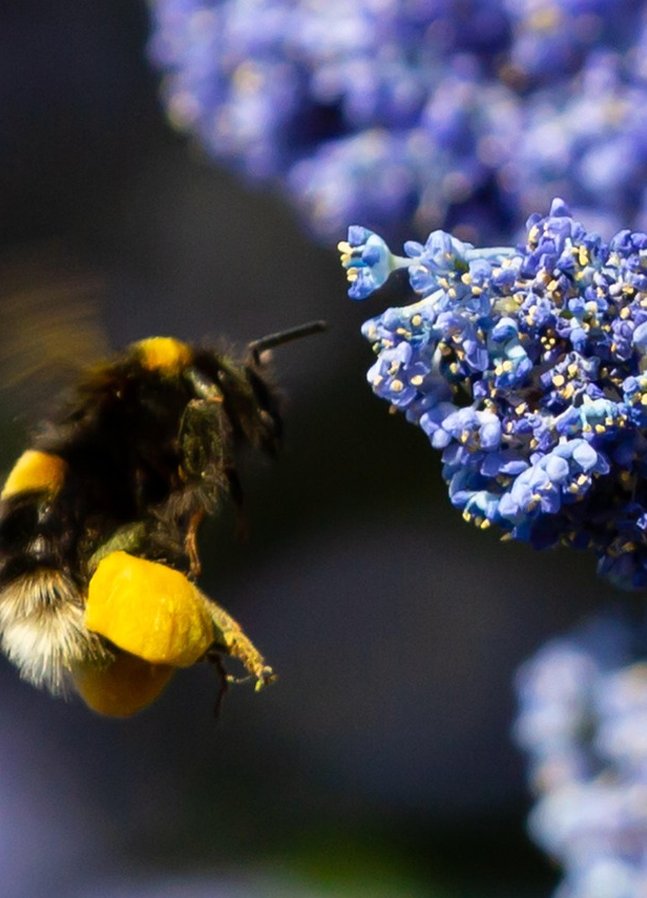
Bees, butterflies, and hummingbirds need food from early spring to late autumn, and a little planning keeps the table set.