
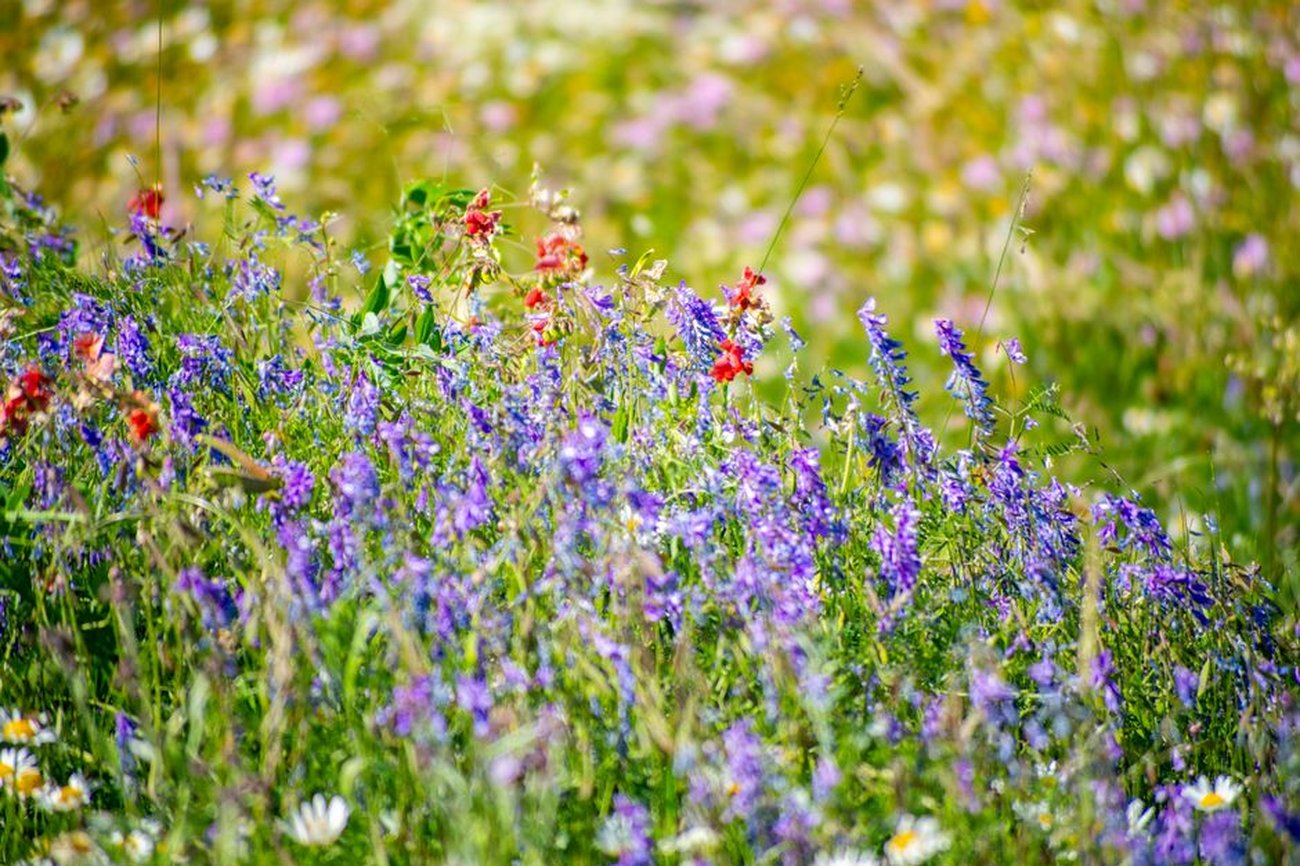

Moonlit Blooms: Designing a Night Garden That Glows
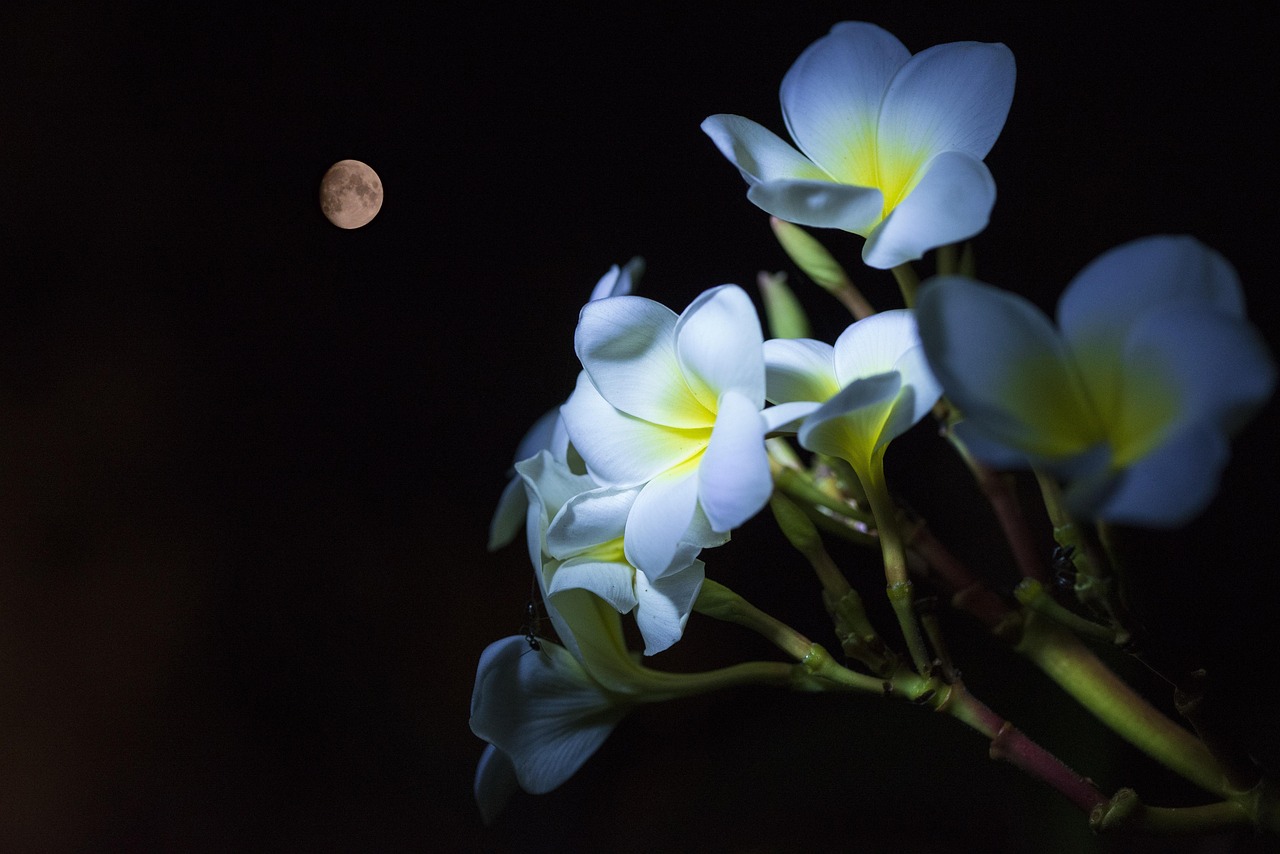
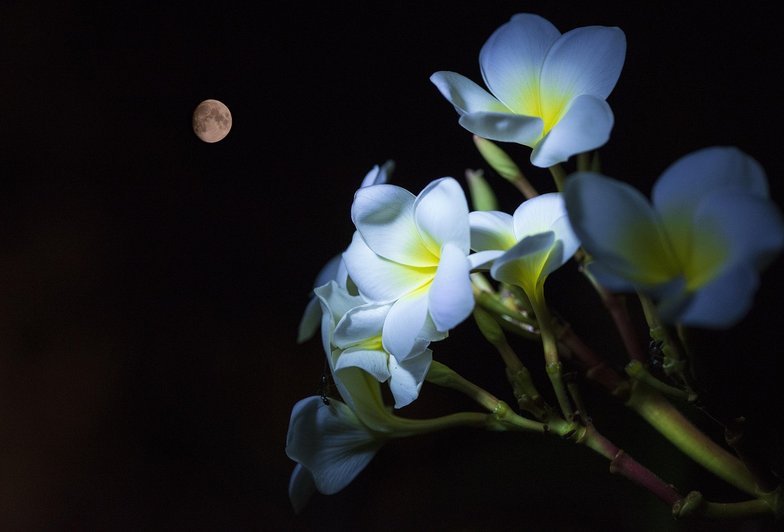
There is a particular kind of magic that settles over a garden once the sun dips below the fence line. The heat of the day lifts, the birds quiet down, and a whole different cast of characters takes the stage. If you have ever sat on your patio at dusk and wished the show would go on a little longer, a night garden might be exactly what your backyard is missing.
The idea is simple: plant things that look their best when the light is low. That means pale flowers, silver foliage, and blossoms that release their fragrance after dark. White and cream-colored petals reflect whatever light is available, whether that is a full moon, a string of patio bulbs, or the warm glow from your kitchen window. Soft yellows, pale pinks, and lavender work beautifully too, but white is the backbone of any moonlit border.
Flowers That Save Their Best for After Dark
Some plants are genuine night owls. Evening primrose unfurls its lemony blooms in the late afternoon and holds them open until morning, practically glowing against a dark hedge. Four o'clocks earn their name by opening in the afternoon and filling the air with a sweet, almost citrusy perfume that moths adore. Nicotiana, or flowering tobacco, is another treasure. Its slender tubular flowers come in white, lime green, and deep maroon, and the white varieties seem to hover in the darkness like small lanterns.
Do not overlook the humble moonflower, a vine that can scramble up a trellis or drape over an arbor. Each blossom is the size of a saucer and opens in the evening with a theatrical twist, then fades by midday. Plant it near a seating area so you can watch the show with a cup of tea in hand. Jasmine and gardenia bring scent rather than visual drama, but on a still night their fragrance carries across the whole yard. Tuberose is another heavy hitter in the perfume department, though it is best grown in a pot in cooler climates so you can move it indoors before frost.
Texture, Structure, and a Little Bit of Sparkle
Night gardens rely on more than flowers. Foliage does a lot of quiet work here. Plants with silver or gray leaves, like lamb's ears, dusty miller, and artemisia, catch even the faintest light and make the whole border look softly illuminated. Ornamental grasses add movement, and their seed heads shimmer when a breeze passes through. Hostas with variegated leaves are wonderful in shade gardens, where their white edges seem to float above the ground.
Structure matters too, because in low light your eye relies on shapes rather than color. Think about tall spikes, rounded mounds, and arching stems. A birdbath or a pale stone path can act as a focal point, drawing the eye through the space. Add a few solar stake lights or a strand of warm-white fairy lights tucked into the foliage, and you have a garden that feels intimate rather than simply dark.
One practical note: night-blooming plants often attract moths, which are excellent pollinators. Leaving a little untidiness at the edges of the garden gives them places to rest during the day. Avoid harsh outdoor lighting that floods the whole yard, since it can confuse nocturnal visitors. Instead, use low, directed lights that graze pathways and highlight a few key plants.
Start small if you like. A single pot of nicotiana by the back door, a patch of evening primrose along the fence, and a moonflower vine on a simple obelisk will change how your garden feels after sunset. Sit outside one warm evening and watch what happens. The night garden rewards patience, and it asks for very little beyond a willingness to stay up a little later than usual.



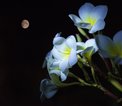

Turn your backyard into an evening sanctuary with flowers that open after dusk and foliage that catches the moonlight.
Shrink your lawn one square at a time and watch a patch of ordinary grass become a buzzing, blooming haven.
Keep fresh basil, mint, and thyme within arm's reach of the kitchen, even when the snow is falling outside.
Bees, butterflies, and hummingbirds need food from early spring to late autumn, and a little planning keeps the table set.
A handful of dried seeds is a small act of independence, and it costs almost nothing to learn.