
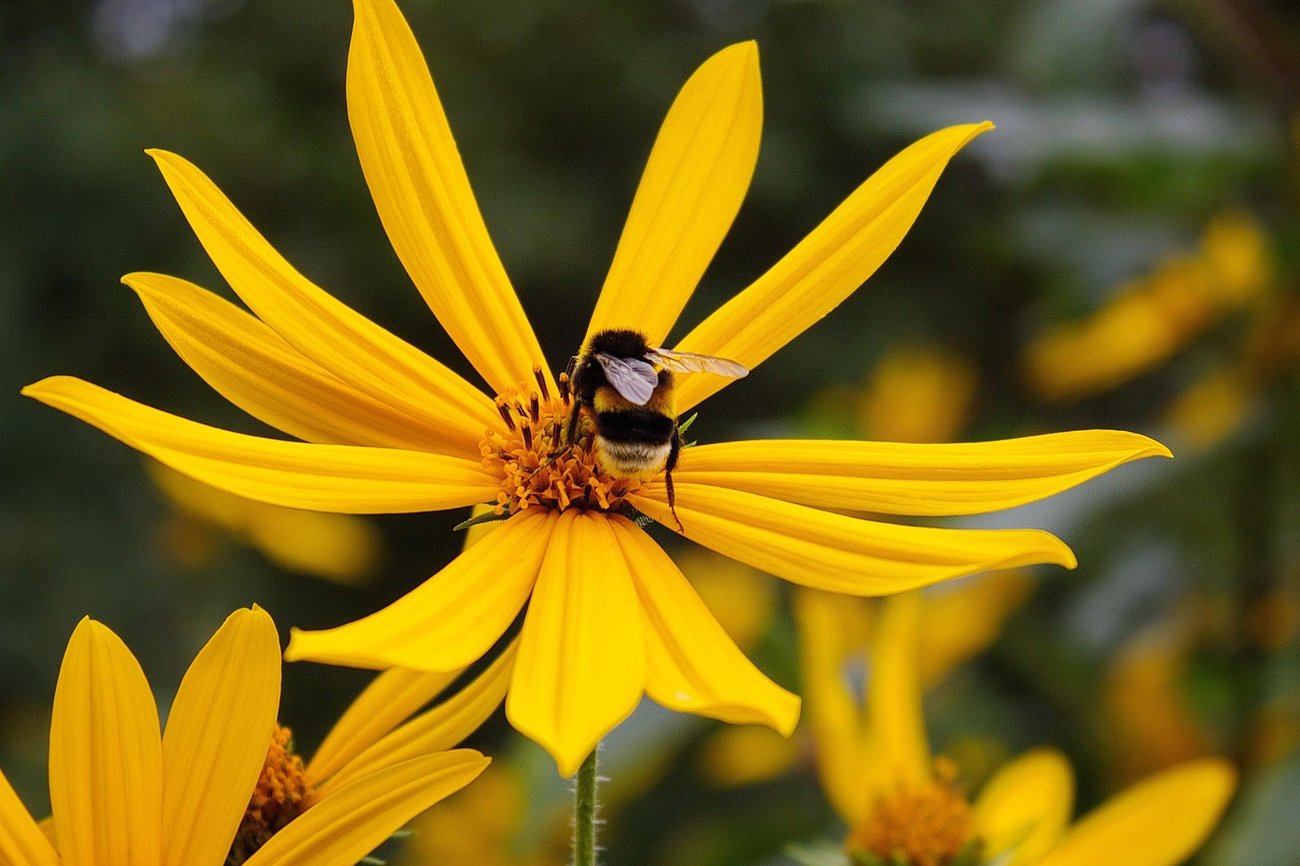

From Lawn to Meadow: A Gentle Guide to Rewilding a Patch of Grass
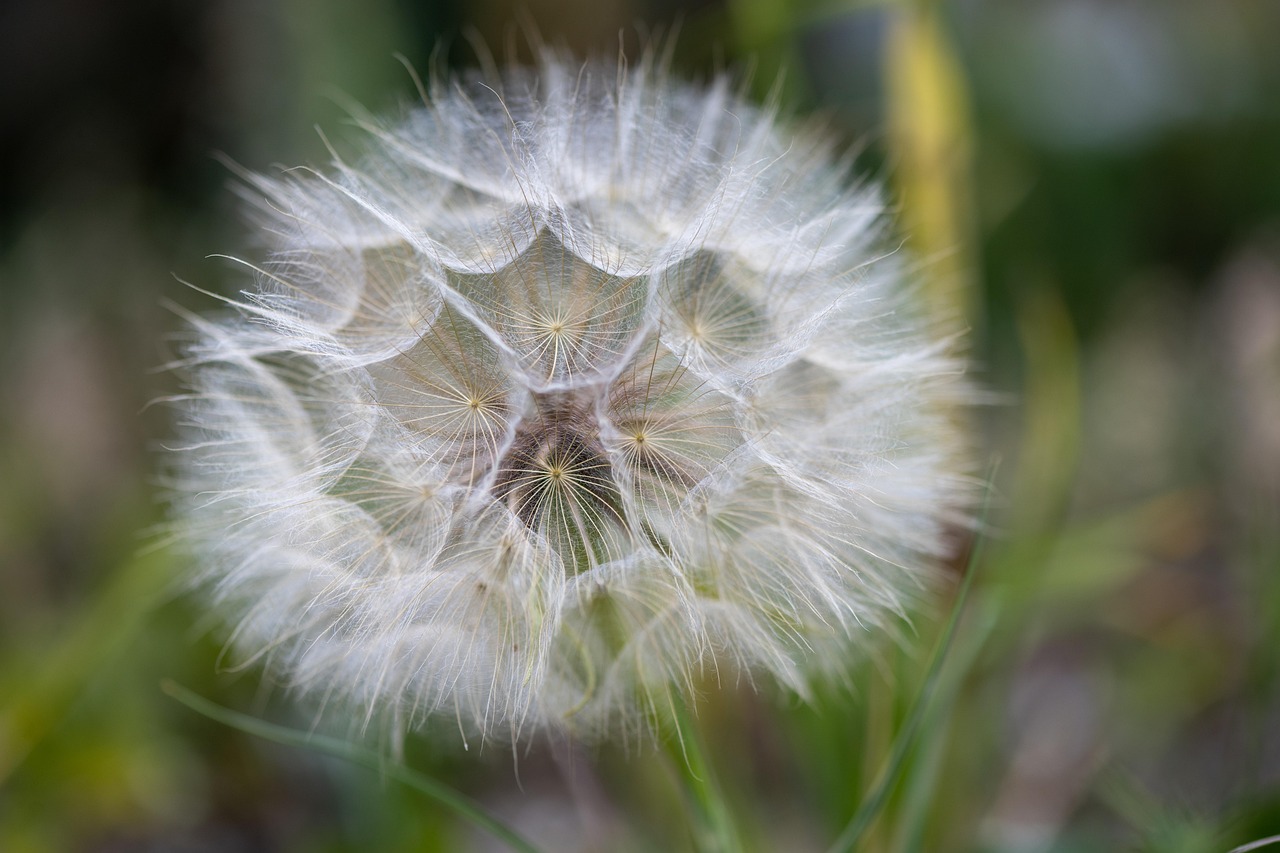
Most of us inherit a lawn. It comes with the house, like the fence and the mailbox, and for years we mow it because that is simply what people do. But a lawn is a hungry thing. It wants water, fertilizer, and a weekly date with the mower, and in return it offers very little to the bees, butterflies, and birds that pass through our neighborhoods. If you have ever looked at a strip of tired grass and wondered what else it could be, rewilding might be your answer.
The good news is that you do not have to tear up your entire yard. Converting even a small patch, say a ten-by-ten-foot square in a corner where the mower barely reaches, can make a real difference. Start by watching how the sun moves across that spot. Most meadow flowers want at least half a day of direct light. If your chosen patch is shady, you can still plant woodland wildflowers like columbine, Virginia bluebells, or wild geranium, but the classic meadow look needs sun.
Clearing the Ground Without Losing Your Mind
The hardest part of any meadow project is getting rid of the grass. You have a few options, and none of them involve chemicals if you would rather avoid them. The simplest is sheet mulching. Mow the grass as short as you can, then cover the area with a layer of cardboard, overlapping the edges well. Top it with a few inches of compost or aged manure, then a layer of mulch. Water it thoroughly and wait. In a few months, the grass underneath will have smothered, and you can plant directly into the compost layer.
Another approach is solarization, which works best in hot, sunny climates. Stretch clear plastic over the patch for several weeks during the hottest part of summer. The trapped heat cooks the grass roots and many weed seeds. It takes patience, but it is effective and cheap.
If you are in a hurry, you can rent a sod cutter and strip the grass away. This is fast but disruptive, and it removes the top layer of soil along with the roots. You will need to bring in fresh topsoil before planting. For most gardeners, sheet mulching is the gentler, less expensive route.
Choosing Flowers That Belong
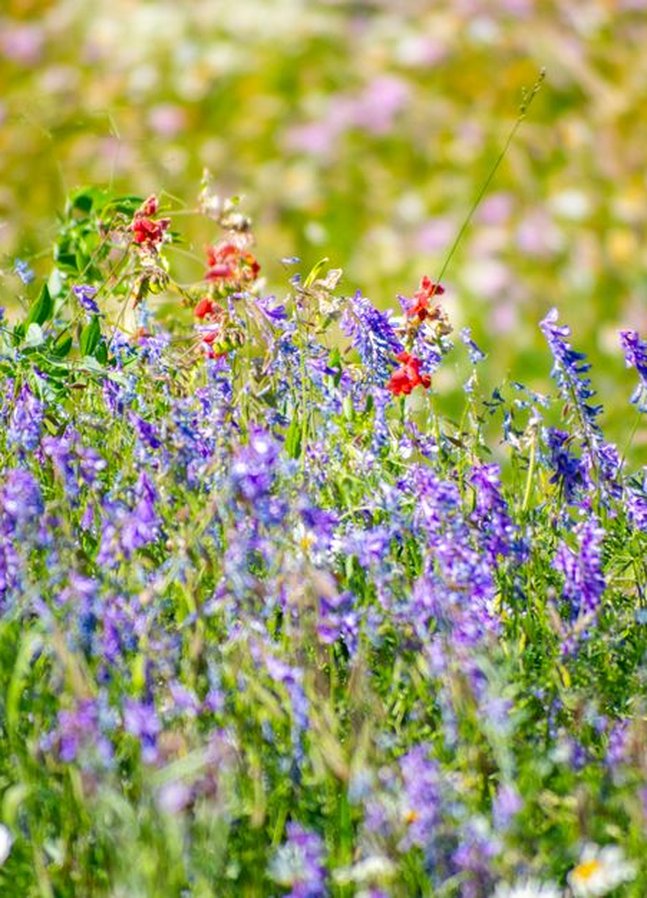
Once the ground is ready, think about what grows naturally in your region. Native wildflowers are the obvious choice because they are adapted to your climate, soil, and rainfall. They also support the insects that evolved alongside them. A mix of perennial and annual species gives you quick color in the first year and lasting structure in the years that follow.
Good starter perennials include black-eyed Susan, purple coneflower, yarrow, bee balm, and asters. For annuals, cosmos, calendula, and plains coreopsis are cheerful and easy from seed. Including a few grasses, such as little bluestem or prairie dropseed, adds movement and gives insects places to shelter.
Sow your seed in early spring or late autumn, depending on your climate. Press the seed into the soil rather than burying it deeply, since many wildflower seeds need light to germinate. Keep the area watered during the first few weeks, then gradually back off. A meadow is not a flower bed. It will look scruffy at times, and that is part of its charm. Resist the urge to tidy every brown stem in autumn, because those stems hold seeds and provide winter homes for beneficial insects.
Mow your meadow once a year, in late winter or early spring, before new growth begins. Set the mower high and remove the clippings if you can, since they can smother the young plants underneath. That single cut is usually all the maintenance a healthy meadow needs.
Rewilding a patch of grass is an act of faith. The first year may look like a weedy experiment. The second year will surprise you. By the third, you will wonder why you ever bothered with the mower.


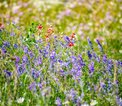
Shrink your lawn one square at a time and watch a patch of ordinary grass become a buzzing, blooming haven.
Keep fresh basil, mint, and thyme within arm's reach of the kitchen, even when the snow is falling outside.
Bees, butterflies, and hummingbirds need food from early spring to late autumn, and a little planning keeps the table set.
A handful of dried seeds is a small act of independence, and it costs almost nothing to learn.
Turn a patch of boring lawn into a buzzing meadow of color with these low-effort, high-reward tips.