
Spring Planting Tips for a Cut-Flower Garden That Keeps Giving
There is a quiet luxury in walking out your back door with a pair of snips and returning with an armload of flowers for the kitchen table. A cut-flower garden is not just a garden; it is a gift that keeps on giving, week after week, from early summer until the first hard frost. The good news is that you do not need a sprawling farm or a greenhouse to grow armfuls of blooms. A sunny patch, a little planning, and a willingness to cut generously are all it takes.
The first rule of a cutting garden is to plant for abundance. This is not the place for delicate specimens you are afraid to touch. You want workhorses: annuals and perennials that bloom prolifically, have long stems, and actually seem to enjoy being chopped. Think of it as a vegetable garden, but instead of tomatoes, you are harvesting beauty.
Choose the Right Workhorses
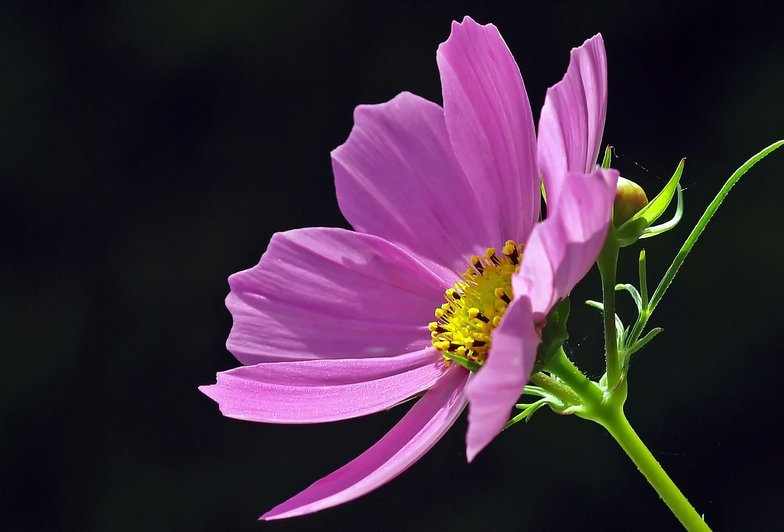
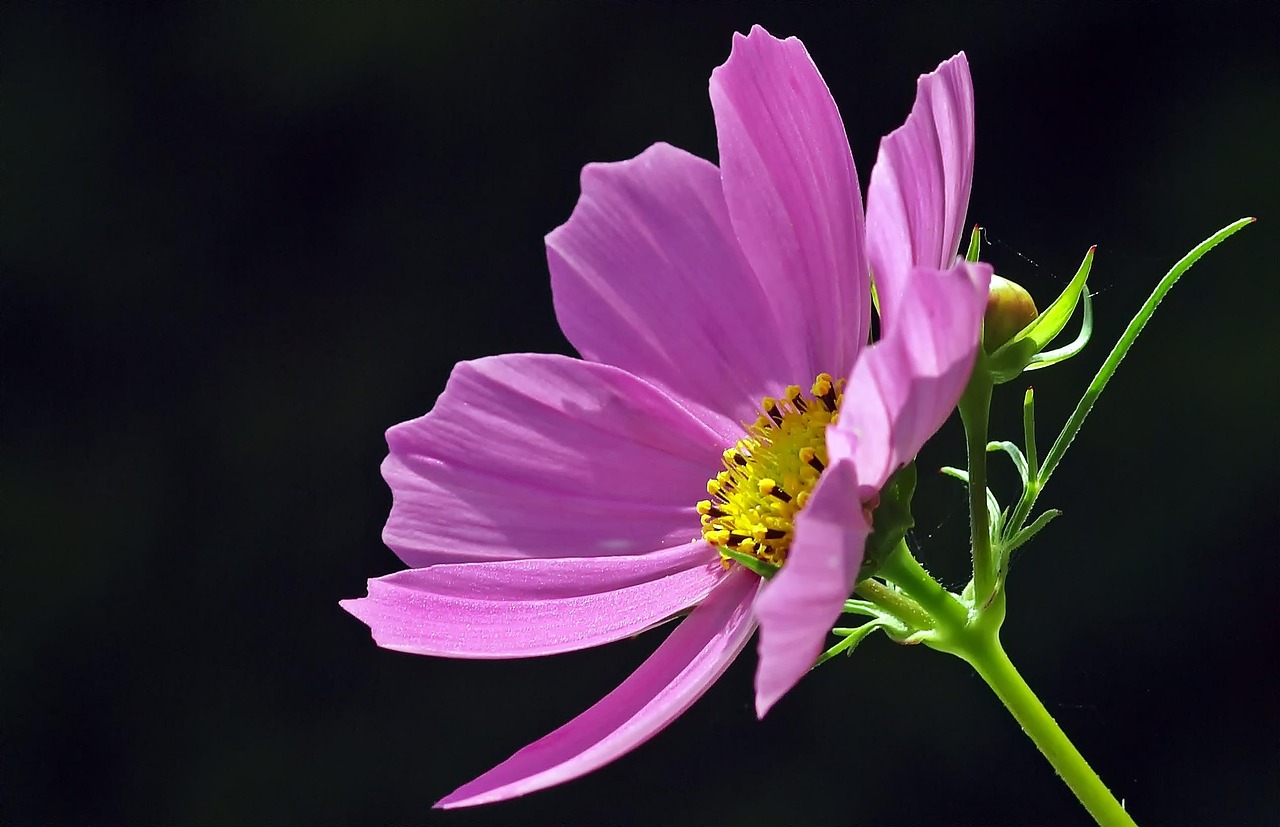
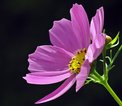
Start with reliable annuals that bloom fast and long. Zinnias are the undisputed queens of the cutting garden, coming in every color except true blue and lasting a week or more in a vase. Cosmos dances on airy stems and self-sows with abandon. Sunflowers bring instant drama, and snapdragons offer tall spikes that are surprisingly long-lasting. For fragrance, add sweet peas in early spring and stock for a spicy, clove-like scent.
Do not overlook perennials, either. Yarrow, sedum, and rudbeckia return year after year, and their seed heads add texture to autumn arrangements. Dahlias are technically tender perennials, but they are worth the effort of digging and storing each fall. Their blooms are the crown jewels of any bouquet.
Sow your seeds in succession, every two to three weeks, rather than all at once. This staggering ensures a continuous harvest instead of a single overwhelming flush. A ten-foot row of zinnias sown in April, May, and June will keep your vases full until October.
Cut, Cut, and Cut Again
The secret to a productive cutting garden is ruthless harvesting. The more you cut, the more the plants produce. Never let flowers go to seed unless you are saving them for next year. Cut in the cool of the morning, when stems are turgid and full of water. Bring a bucket of clean water to the garden and plunge stems immediately after cutting. Strip the lower leaves so no foliage sits below the waterline, and make a fresh angled cut just before arranging.
Feed your soil with compost each spring, and water deeply once a week rather than shallowly every day. Mulch to keep weeds down and moisture in. And do not be afraid to experiment. Some of the most beautiful bouquets are happy accidents, a jumble of colors and textures that no florist could replicate. Your garden will teach you what it loves, if you pay attention. So grab your snips, step outside, and start cutting. The table is waiting.



Grow your own bouquets with these simple strategies for a productive and beautiful cutting garden.
No yard? No problem. Pots and planters can deliver a season of blooms on a balcony, patio, or doorstep.
The best spring gardens are planted in fall. Here is how to bury a little magic before the ground freezes.
Turn your backyard into an evening sanctuary with flowers that open after dusk and foliage that catches the moonlight.
Shrink your lawn one square at a time and watch a patch of ordinary grass become a buzzing, blooming haven.