
Five Pollinator-Friendly Flowers That Bloom All Season
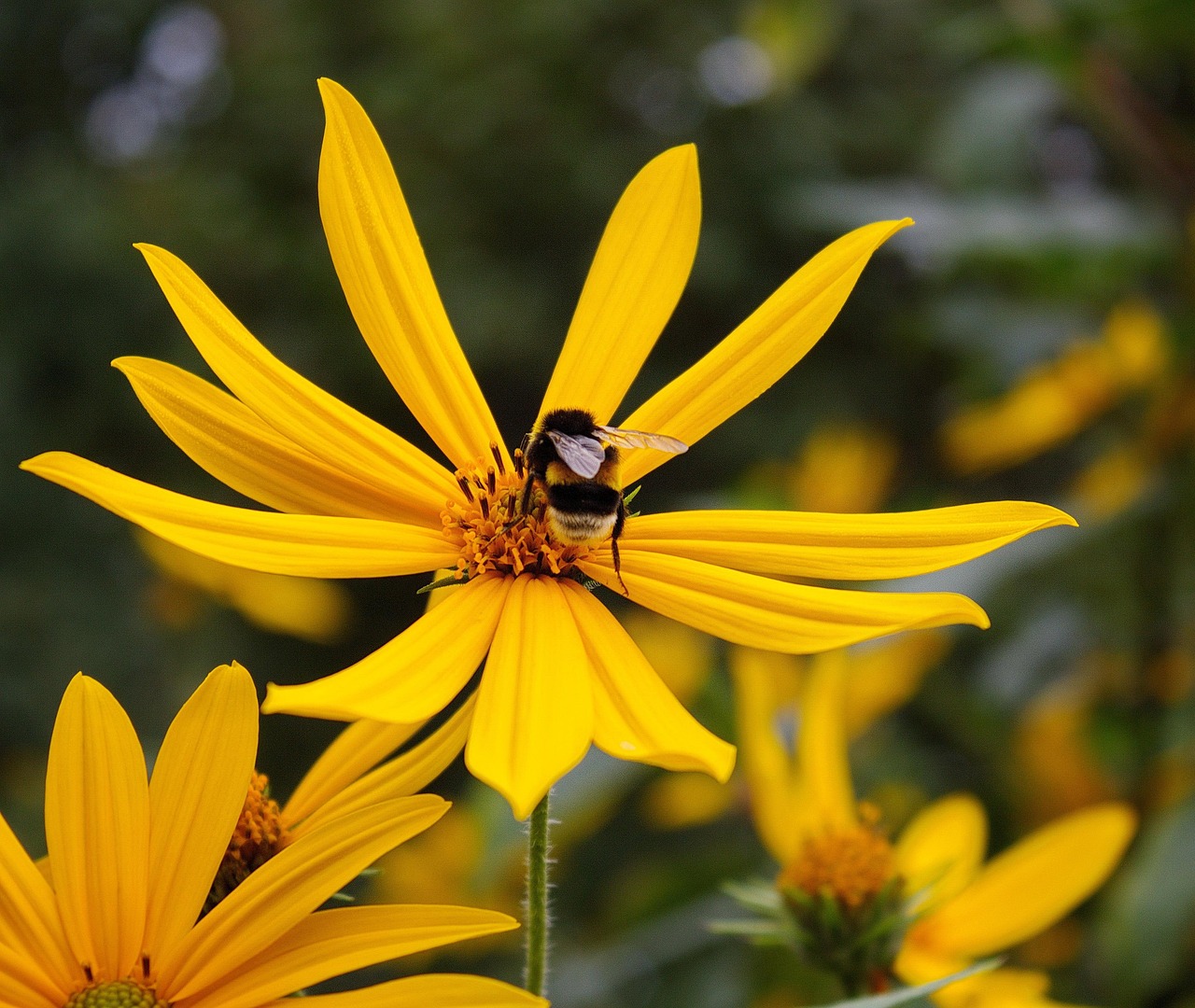
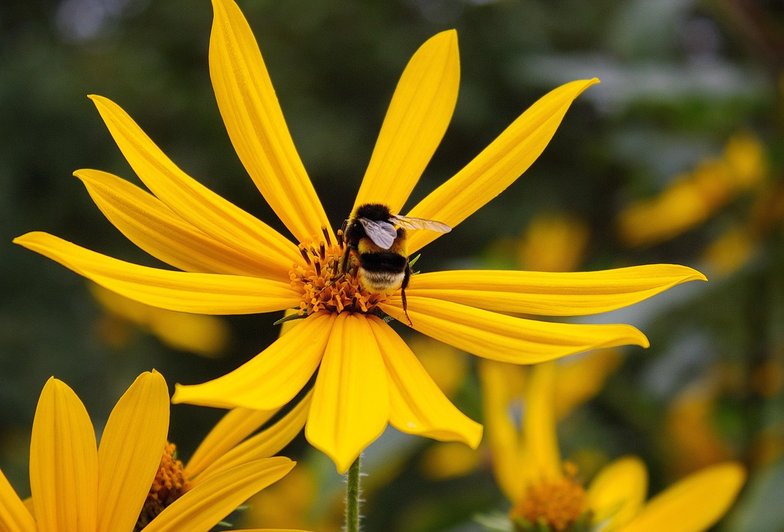
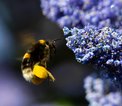
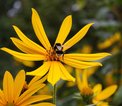
If you build it, they will come. And by "they," I mean the glorious parade of pollinators that turns a quiet garden into a bustling airport of wings and buzzing. But not all flowers are created equal in the eyes of a bee. Some offer a quick sip of nectar and fade, while others are the all-day diners that keep pollinators fed from the first warm day of spring to the last golden afternoons of autumn.
The trick is to plant a succession of bloomers, so there is never a gap in the buffet. Think of your garden as a relay race, with each plant passing the baton of pollen to the next. Here are five reliable, beautiful, and pollinator-approved flowers that will keep the party going all season long.
The Early Birds and the Long Bloomers
Start the season with wild columbine (Aquilegia canadensis). Its nodding red and yellow bells are a magnet for early-emerging hummingbirds and bumblebee queens. Columbine blooms in late spring and gently self-sows, so you will get new plants without any effort. Pair it with foxglove, whose tall spires of tubular flowers are perfectly shaped for long-tongued bees to crawl inside.
As summer heats up, purple coneflower (Echinacea purpurea) takes center stage. This native perennial is a workhorse, blooming for weeks on end and offering a landing pad for butterflies. Leave the seed heads standing in autumn, and goldfinches will thank you. For continuous color, add calendula, an easy annual that blooms until frost if you keep deadheading it. Its sticky pollen is a favorite of hoverflies and small native bees.
Finally, no pollinator garden is complete without anise hyssop (Agastache foeniculum). This underappreciated gem sends up fuzzy lavender spikes from midsummer to fall, and its licorice-scented leaves are a delight to brush against. Bees of all sizes, from tiny sweat bees to hefty carpenter bees, will visit it relentlessly.
Planting for Success
To make your pollinator garden truly effective, plant in generous drifts rather than one-of-each. A single coneflower is a snack; a dozen is a feast. Group at least three to five of each plant together so pollinators can move efficiently from flower to flower. And resist the urge to tidy up too much in autumn. Many native bees overwinter in hollow stems and leaf litter, so leave the garden standing until spring temperatures consistently reach the fifties.
Water deeply but infrequently to encourage strong roots, and skip the insecticides entirely. Even organic sprays can harm beneficial insects. With a little planning, your garden can become a year-round sanctuary, a place where the hum of wings is the soundtrack of summer.
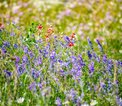
Keep bees, butterflies, and hummingbirds happy from spring to frost with these hardworking blooms.
Grow your own bouquets with these simple strategies for a productive and beautiful cutting garden.
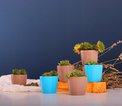
No yard? No problem. Pots and planters can deliver a season of blooms on a balcony, patio, or doorstep.
The best spring gardens are planted in fall. Here is how to bury a little magic before the ground freezes.
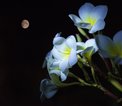
Turn your backyard into an evening sanctuary with flowers that open after dusk and foliage that catches the moonlight.