




The Lazy Gardener's Guide to a Wildflower Meadow
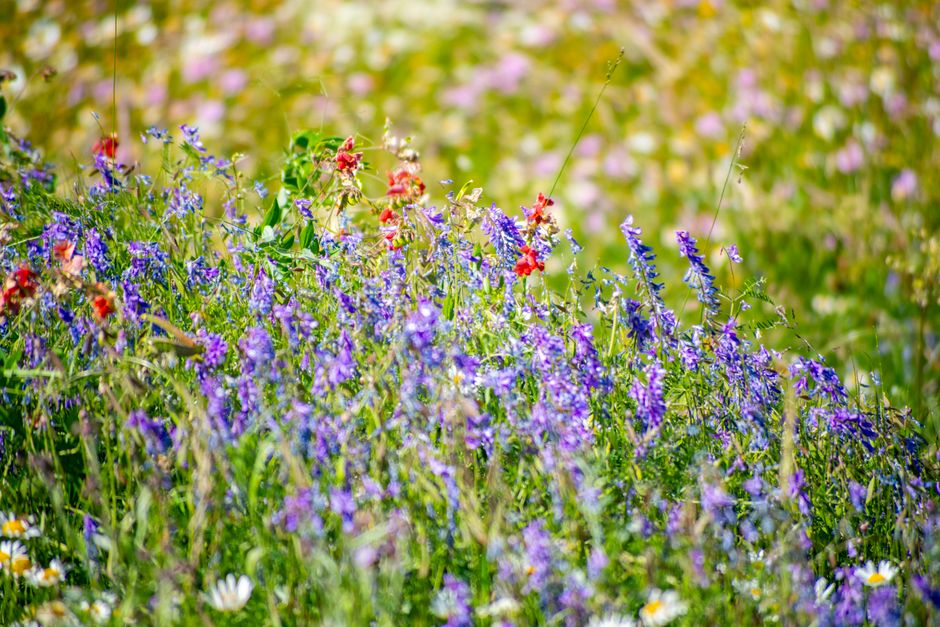
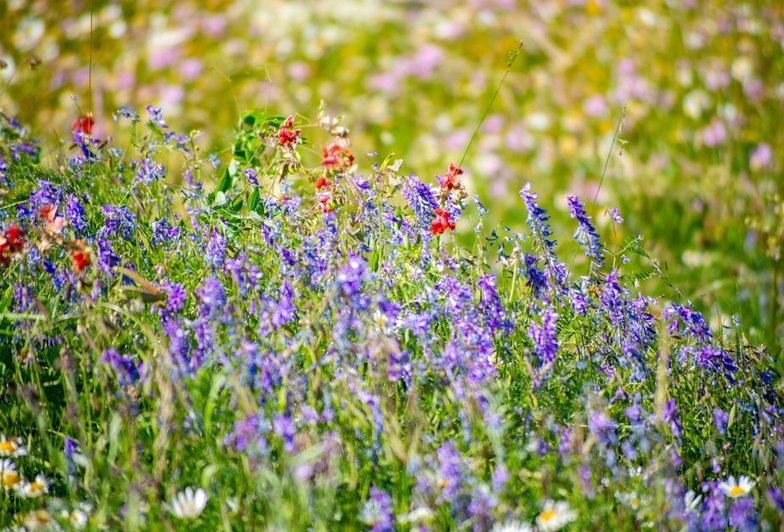
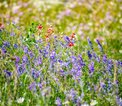
There is a particular kind of magic that happens when you stop mowing a patch of grass and simply let it be. First come the dandelions, then the clover, and before you know it, you have a living, breathing meadow humming with bees and fluttering with butterflies. If you have ever dreamed of a wildflower meadow but assumed it required a degree in botany and a tractor, take heart. The lazy approach is often the best one.
The secret to a successful meadow is not control, but gentle guidance. You are not building a garden bed; you are hosting a party for native plants. Your job is to set the table and then step back. Here is how to get started without breaking your back or your budget.
Start Small and Sow Wisely
Resist the urge to tear up your entire lawn in one weekend. A meadow is a slow dance, not a sprint. Begin with a patch that gets at least six hours of sun and is easy to reach with a hose if the summer turns dry. The simplest method is the "lasagna" approach: lay down cardboard over the grass, wet it thoroughly, and top it with a few inches of weed-free compost. The cardboard smothers the existing lawn, and the compost gives your seeds a cozy bed.
When choosing seeds, think regional. A wildflower mix designed for your specific climate will always outperform a generic packet from a big-box store. Look for mixes that include annuals like cosmos and calendula for first-year color, alongside perennials like black-eyed Susan and purple coneflower that will return stronger each season. Scatter your seeds on a still day, press them gently into the soil with your feet or a board, and water lightly. Do not bury them; most wildflower seeds need light to germinate.
The Art of Benign Neglect
Once your meadow sprouts, your main task is to do almost nothing. Weeds will appear, but many of them are actually welcome wildflowers in disguise. Learn to recognize the difference between a thistle and a bachelor's button seedling, and pull only the most aggressive invaders. Skip the fertilizer and pesticides entirely. A meadow that is fed and sprayed becomes a tangle of lush, floppy foliage with few flowers. Lean soil keeps plants upright and bloom-heavy.
The one big chore comes at the end of the season. In late autumn or early spring, cut the whole meadow down to about four to six inches with shears or a string trimmer. Leave the clippings on the ground for a day so any seeds can drop, then rake them up. This mimics the natural cycle of grazing and rest. Over time, your meadow will weave itself into a self-sustaining tapestry that asks for nothing but a little patience and a lot of sunshine. And the best part? You can enjoy it all summer from a hammock, lemonade in hand.




Turn a patch of boring lawn into a buzzing meadow of color with these low-effort, high-reward tips.
Keep bees, butterflies, and hummingbirds happy from spring to frost with these hardworking blooms.
Grow your own bouquets with these simple strategies for a productive and beautiful cutting garden.
No yard? No problem. Pots and planters can deliver a season of blooms on a balcony, patio, or doorstep.
The best spring gardens are planted in fall. Here is how to bury a little magic before the ground freezes.