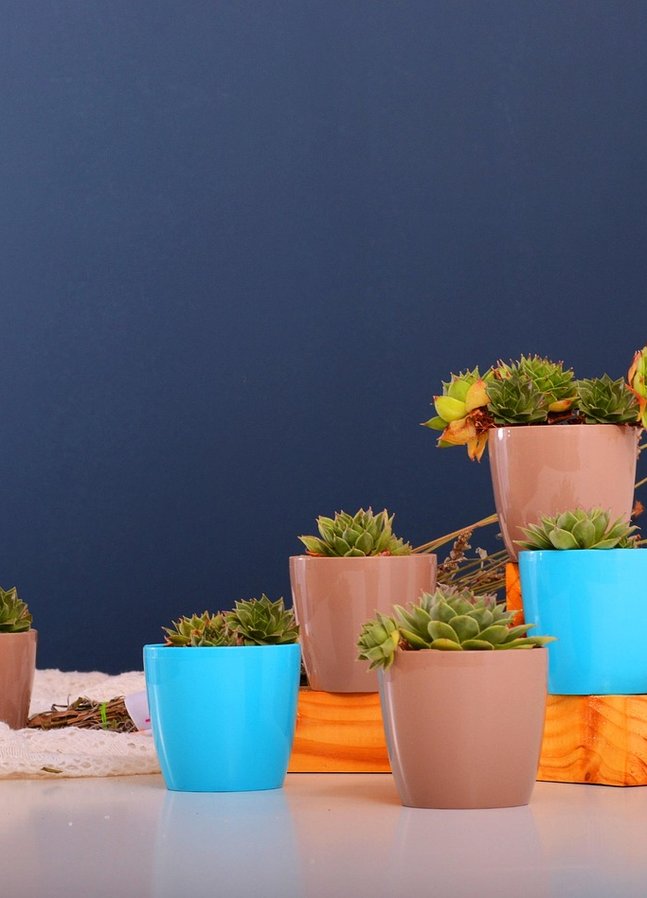

Creating a Container Garden for Small Spaces and Big Color
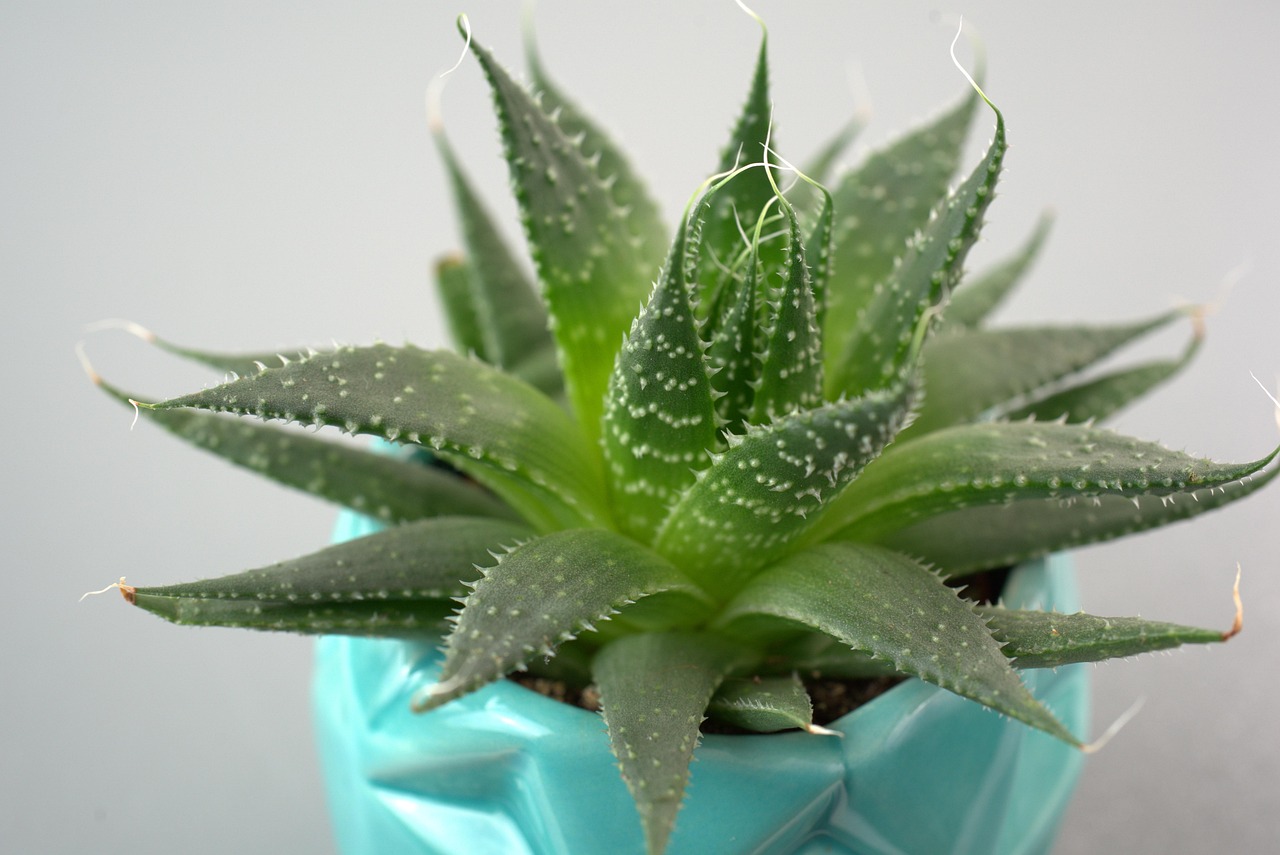
Not all of us are blessed with acres of soil and a sun-drenched meadow. Some of us have a balcony that gets four hours of afternoon sun, a narrow stoop, or a fire escape that could use a little life. But here is the secret that window box gardeners have known for centuries: containers are not a limitation. They are a liberation. In a pot, you control the soil, the drainage, and the design. You can move plants to chase the sun or hide them from the wind. And you can change the entire look of your space with a single trip to the nursery.
The key to a thriving container garden is understanding that pots are a different world from the ground. They dry out faster, heat up quicker, and have a finite supply of nutrients. But with the right plants and a few smart habits, your containers can outshine any in-ground bed.
The Thriller, Filler, Spiller Formula
If you have ever admired a lush, professional-looking planter and wondered how they do it, the answer is usually a simple design trinity. Start with a thriller: a tall, dramatic plant that anchors the arrangement. This could be a dracaena spike, a tall grass, or even a small sunflower. Next, add fillers: mounding plants that pack the middle with color. Petunias, calibrachoa, and begonias are classic choices, but do not overlook herbs like basil or parsley for a edible twist. Finally, include a spiller: something that cascades over the edge, like trailing verbena, sweet potato vine, or nasturtium.
This formula works because it mimics the way plants grow in nature, with layers that fill every available inch of light and space. It also creates a full, balanced look from the moment you plant it, rather than waiting weeks for everything to fill in.
Watering, Feeding, and the Fine Art of Not Killing Your Plants
Container plants are thirsty. In the heat of summer, a hanging basket can need water twice a day. The best way to keep up is to check the soil with your finger every morning. If it is dry an inch down, water until it runs out the bottom of the pot. Never let pots sit in a saucer of standing water, as this leads to root rot. If you are going away, move pots to a shady spot and group them together to conserve moisture.
Because nutrients leach out with every watering, you will need to feed your containers regularly. A diluted liquid fertilizer every two weeks during the growing season keeps blooms coming. Deadhead spent flowers to encourage more, and do not be shy about trimming back leggy growth. Plants in pots are resilient; they respond to a good haircut with a flush of new growth.
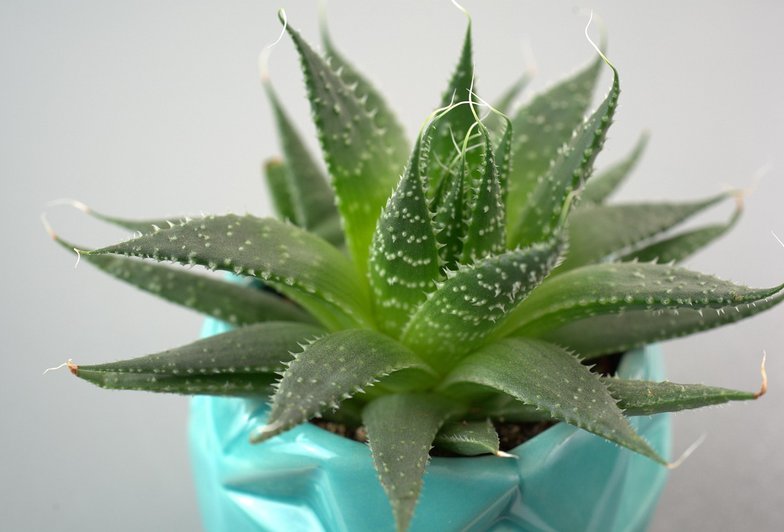
Finally, choose the largest pots you can afford and fit. Bigger pots hold more soil, which means less watering and more room for roots. Terracotta is beautiful but dries out fast; glazed ceramic and plastic retain moisture better. Whatever you choose, make sure it has drainage holes. Your plants will thank you with a season of color that proves that small spaces can hold big beauty.



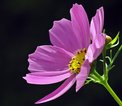
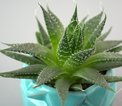
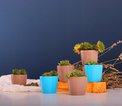
No yard? No problem. Pots and planters can deliver a season of blooms on a balcony, patio, or doorstep.
The best spring gardens are planted in fall. Here is how to bury a little magic before the ground freezes.
Turn your backyard into an evening sanctuary with flowers that open after dusk and foliage that catches the moonlight.
Shrink your lawn one square at a time and watch a patch of ordinary grass become a buzzing, blooming haven.
Keep fresh basil, mint, and thyme within arm's reach of the kitchen, even when the snow is falling outside.