
The Pollinator's Calendar: What to Plant Month by Month
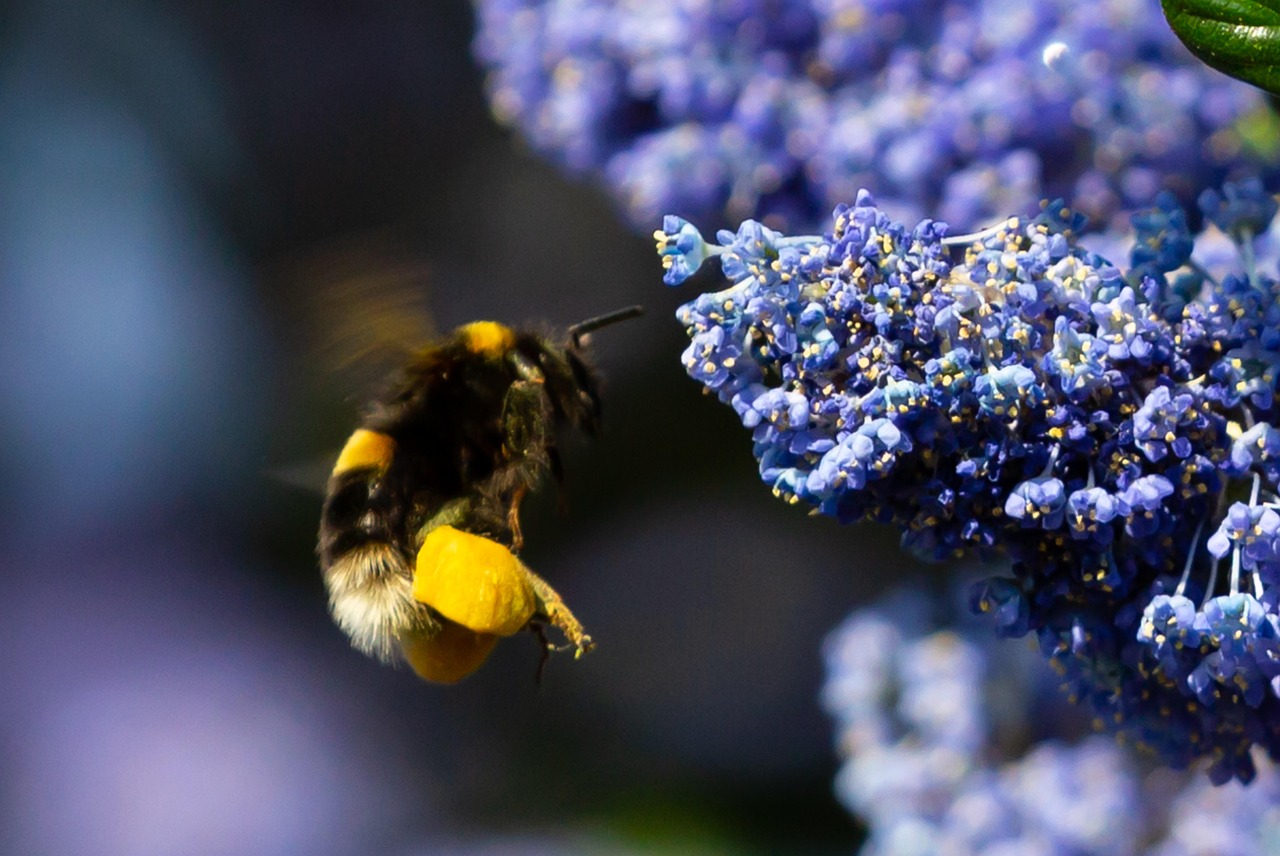
A pollinator garden is not just a collection of pretty flowers. It is a restaurant that needs to stay open all season. Bees emerging from winter dormancy in early spring are hungry, and if nothing is blooming, they struggle. By the same token, butterflies fueling up for migration in late summer need a reliable supply of nectar. The goal is to stagger your blooms so that something is always in flower, from the first warm days of the year to the last frost.
Think of it as a calendar rather than a border. Instead of planting everything to peak in June, you are spreading the wealth across the months. This approach also makes the garden more interesting to look at, since the color palette shifts as the season unfolds.
Early Risers and Late Bloomers
In early spring, before most perennials wake up, you can rely on bulbs and shrubs. Crocus, snowdrops, and grape hyacinth are among the first flowers bees visit. Willows are a powerhouse for early pollinators, and so are native shrubs like redbud and serviceberry. If you have room for a fruit tree, apples and cherries feed an astonishing number of insects when they bloom.
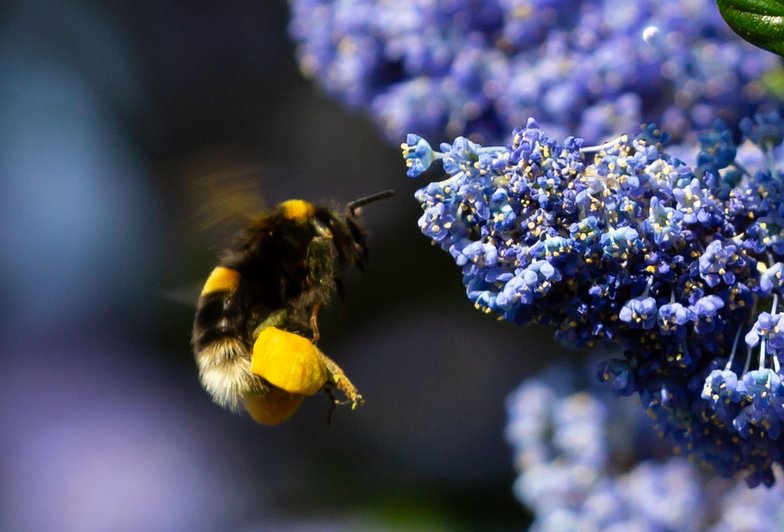
As spring rolls into early summer, columbine, lupine, and penstemon take over. These are particularly valuable for bumblebees and hummingbirds, which have the long tongues needed to reach into tubular flowers. Salvia, both the annual and perennial kinds, is another excellent bridge between seasons.
Midsummer is the peak, and the choices are almost overwhelming. Coneflower, bee balm, milkweed, and Joe Pye weed are all stars. Milkweed deserves a special mention because it is the only plant that monarch caterpillars can eat. If you want monarchs in your garden, you need milkweed, and you need to plant it generously.
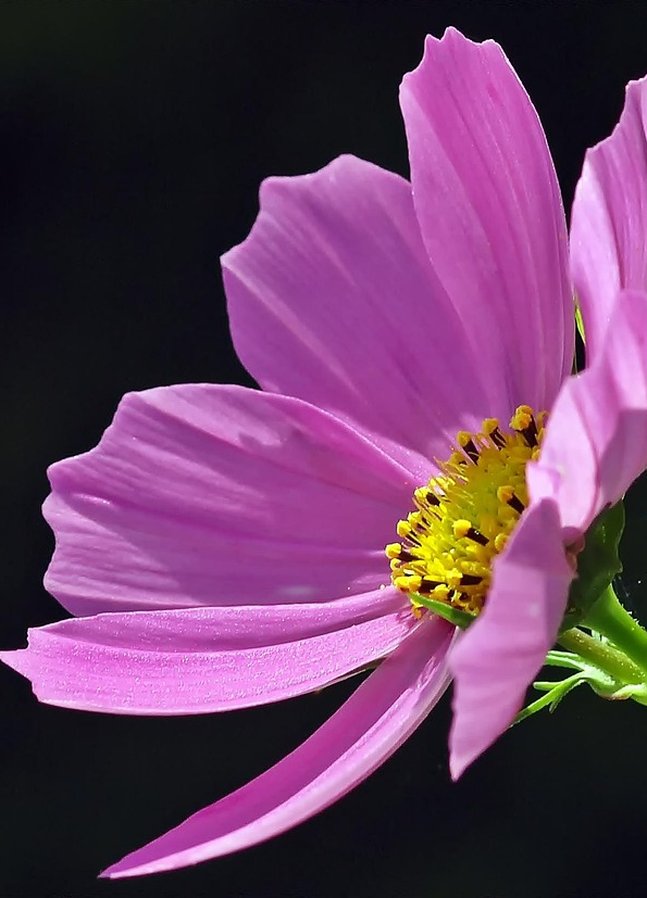
Late summer and early autumn are just as important. Asters and goldenrod are the classic pairing, and they feed bees, butterflies, and beneficial wasps when many other plants have finished. Sedum, especially the tall autumn varieties, holds its nectar-rich flowers well into October. Sunflowers, zinnias, and cosmos are easy annuals that keep blooming until the first hard frost.
Beyond Flowers: Water, Shelter, and a Little Mess
Nectar and pollen are only part of the picture. Pollinators also need water and places to shelter. A shallow dish filled with pebbles and water gives bees a safe place to drink without drowning. Butterflies often gather at damp spots on the ground, sipping minerals from wet soil. If you have a small area where a downspout drips or a hose leaks, you may already be providing this without realizing it.
Shelter is where a pollinator garden differs from a purely ornamental one. Many native bees nest in the ground, in bare patches of soil. Others nest in hollow stems or old wood. Leaving a few stems standing through winter, and holding off on a thorough autumn cleanup, gives them places to overwinter. A brush pile in a corner of the yard is ugly to some eyes and a five-star hotel to others.
Try to avoid pesticides entirely. Even organic sprays can harm beneficial insects, and a pollinator garden that poisons its visitors defeats the purpose. Handpick pests when you can, and accept a little cosmetic damage. A few chewed leaves are a sign that your garden is doing its job.
Start where you are. Even a balcony with a few pots of basil, calendula, and lavender will draw bees and butterflies. The calendar does not have to be perfect. It just has to have something on it, month after month, all year long.
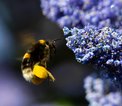
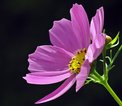
Bees, butterflies, and hummingbirds need food from early spring to late autumn, and a little planning keeps the table set.
A handful of dried seeds is a small act of independence, and it costs almost nothing to learn.
Turn a patch of boring lawn into a buzzing meadow of color with these low-effort, high-reward tips.
Keep bees, butterflies, and hummingbirds happy from spring to frost with these hardworking blooms.
Grow your own bouquets with these simple strategies for a productive and beautiful cutting garden.