





The Real Math Behind Why Slot Players Always Lose Long-Term
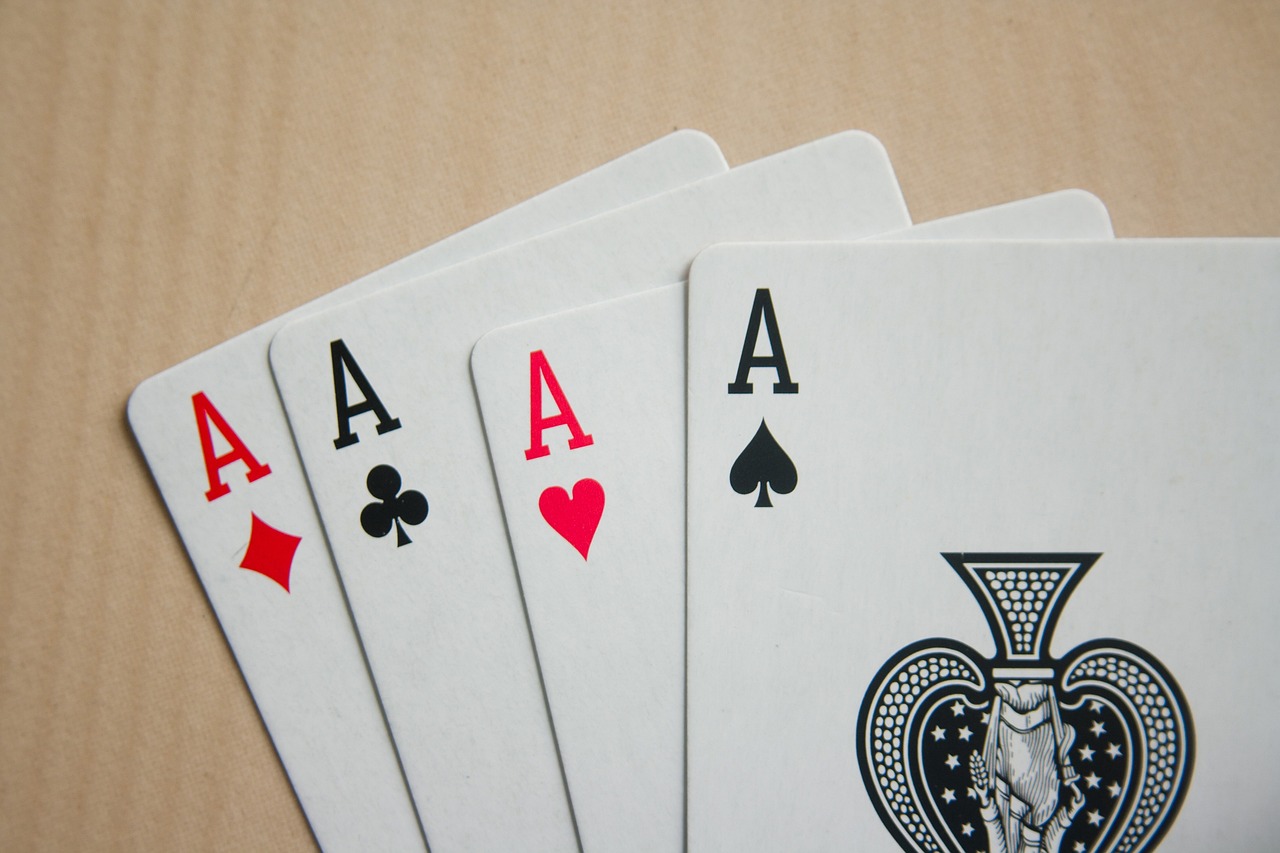
Every slot player has felt it: a bonus round that pays 200x your bet, a session where the machine just keeps feeding you wins. It feels like skill, or luck, or some mysterious chemistry between you and that specific cabinet. It isn't. What you're actually experiencing is a carefully engineered probability machine doing exactly what it was designed to do — and understanding that design is the difference between a fun hobby and a slow financial bleed.
Let's pull back the curtain on how slots, table games, and betting markets actually work, because the players who last are the ones who respect the math instead of fighting it.
RTP, House Edge, and Why "Due for a Win" Is a Myth
Every regulated slot has a Return to Player percentage, usually somewhere between 92% and 97%. Land-based Vegas floors often sit closer to 85–92%, while online casinos tend to push toward 96%+ to stay competitive. That RTP is calculated over millions of spins. It does not mean you'll get 96 cents back for every dollar this session. It means the machine's paytable and reel weights are mathematically tuned so that, on average, 4% of all money wagered stays with the operator over a long horizon. You will find a helpful summary at สล็อตเว็บตรง.
Here's the part that trips people up: slots have no memory. If a machine has a 96% RTP, hitting a cold streak doesn't increase the odds of a hot streak. Each spin is independent, governed by a Random Number Generator that re-rolls the moment you press the button. The classic fallacy — "this machine hasn't paid in an hour, it's due" — is exactly the kind of thinking the industry quietly relies on.
- House edge vs. RTP: They're two sides of the same coin. 96% RTP = 4% edge.
- Variance matters more short-term: High-volatility slots can pay 5000x but go 400 spins without a meaningful win. Low-volatility slots pay small and often.
- Session length is the killer: The longer you play, the more your results converge toward the house edge. Time is the operator's friend, not yours.
Poker Is the Only Major Game Where Skill Actually Beats the House
Here's the uncomfortable truth for casino operators: poker isn't really a house game. In cash games and tournaments, you're playing against other people, and the house just takes a rake — typically 5% up to a cap, or a tournament entry fee. That means a genuinely skilled player can show a long-term profit, because the money is coming from weaker opponents, not the casino.
But skill in poker isn't what most beginners think it is. It's not about bluffing more or "reading souls." It's about:
- Position awareness: Acting last gives you information. Playing tight from early position and wide from the button is a fundamental edge.
- Pot odds and equity: Knowing when a call is mathematically profitable versus a leak.
- Bankroll management: Even a 60% winner can go broke playing stakes too high for their roll. Pros keep 20–50 buy-ins minimum.
- Exploitative adjustments: Folding to a nit, value-betting a calling station, never bluffing someone who can't fold.
Blackjack, by contrast, can be beaten with card counting — but only in land-based games with favorable rules, and only if you don't get backed off. Online blackjack uses continuous shuffling machines or fresh decks every hand, which kills the edge entirely. If anyone online offers you "guaranteed" blackjack systems, they're selling you a fantasy.
Sports Betting: Line Movement, Vig, and the Closing Number
Casual bettors look at odds and see a prediction. Sharp bettors see a price with a built-in tax. That tax is the vig (or juice) — typically -110 on each side of a spread, meaning you must win 52.4% of bets just to break even. That single number destroys most recreational bettors, because winning 52.4% of anything consistently is hard.
The real skill in betting isn't picking winners; it's finding prices that are wrong. And the market's best estimate of a "true" price is the closing line — the odds right before the event starts, after all the smart money has poured in. If you consistently beat the closing line, you're a long-term winner. If you're just betting your favorite team because you believe in them, you're funding someone else's edge.
Practical takeaways for bettors:
- Shop lines: A half-point on a spread can swing your ROI by several percentage points over a season. Use multiple books.
- Track your bets: Without a spreadsheet, you're guessing about your own performance. Guess wrong and you'll chase losses indefinitely.
- Ignore parlays (mostly): They multiply the house edge. A 3-leg parlay at -110 each carries a massive compounded vig. Fun, yes. Profitable, rarely.
The Psychology the Industry Counts On
Game designers are not neutral observers. They study behavioral psychology and deploy it deliberately. Near-misses — where two bonus symbols land and the third stops just short — activate the same reward circuitry as an actual win. Losses disguised as wins (LDWs) are the classic example: on multi-line slots, you can "win" $2 on a $5 spin and get the full celebration animation. Your brain registers a win even though your balance dropped.
Add in variable-ratio reinforcement — the same schedule that makes gambling so compelling — plus the constant availability of mobile betting, and you have a product engineered for engagement far beyond what's healthy. None of this means slots or betting are evil. It means you need to go in with your eyes open and your limits pre-set, not decided in the moment when dopamine is doing the thinking.
The players who enjoy this world long-term share a few habits: they treat deposits as entertainment spend, not investment; they set hard time and money limits before logging in; they avoid chasing; and they take breaks without guilt. That's not moralizing — it's just what the math and the psychology both point to.
Where the Real Edge Lives (and Where It Doesn't)
If you're looking for a genuine, repeatable edge in iGaming, it exists in a few narrow places: poker against weak fields, sports betting with strong modeling or market-timing, bonus abuse (where legal and within terms), and seasoned promotional hunting. Everything else — slots, roulette, online blackjack, baccarat — is designed so the house wins over time.
That doesn't have to be a depressing fact. It's actually liberating. Once you accept that slots are entertainment with a known cost, you stop trying to beat them and start budgeting for them like a night out. You play longer, enjoy it more, and stop chasing money that the math says was never going to come back.
The house always wins long-term. The question is only whether you understood the terms before you sat down.







Turn a patch of boring lawn into a buzzing meadow of color with these low-effort, high-reward tips.
Keep bees, butterflies, and hummingbirds happy from spring to frost with these hardworking blooms.
Grow your own bouquets with these simple strategies for a productive and beautiful cutting garden.
No yard? No problem. Pots and planters can deliver a season of blooms on a balcony, patio, or doorstep.
The best spring gardens are planted in fall. Here is how to bury a little magic before the ground freezes.